
The Shape of Identity
The Way of KingsThe book’s characters struggle against labels imposed by rank, profession, species, history, and guilt, gradually choosing identities through action.
increasing Bearing strength in each event
 decreasing
Bearing strength in each eventdecreasingNames as Possession
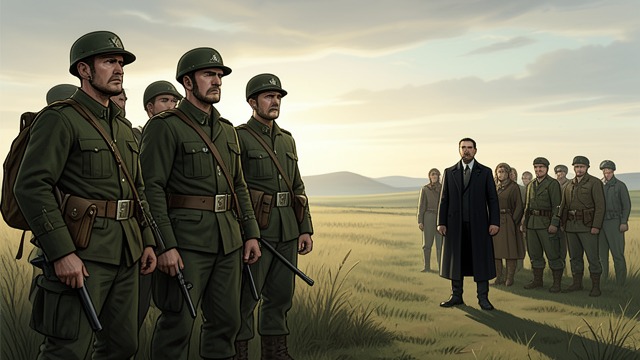
Names Returned
The Last Property
Bridgemen resist telling Kaladin their names because their names are among the last things they feel they own.
Identity Restored
Kaladin’s insistence that names matter begins transforming a crowd of condemned bodies into individuals capable of loyalty.
Rank and Inherited Worth
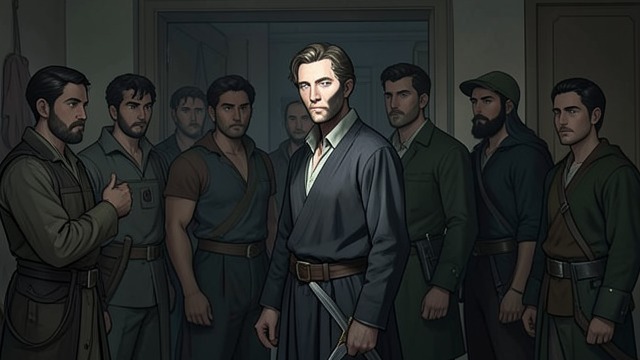
Eyes as Destiny
Social Division
Lighteyes are presumed noble while darkeyes are expected to serve, fight, or remain invisible.
Refusal of the Script
Kaladin rejects both the fantasy that Shardblades automatically justify rule and the belief that darkeyes must accept permanent inferiority.
The Parshman Called Shen
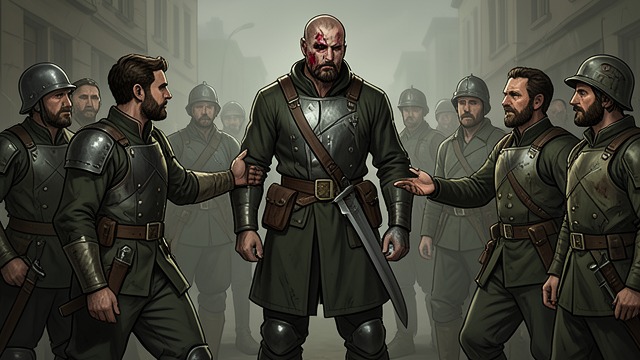
The Outsider Within
A New Liability
The crew initially sees Shen as a dangerous burden and potential traitor because he resembles the enemy.
Inclusion as Discipline
Kaladin names him and declares him part of Bridge Four, refusing to reproduce the hierarchy that has oppressed the crew.
Jasnah’s Heresy
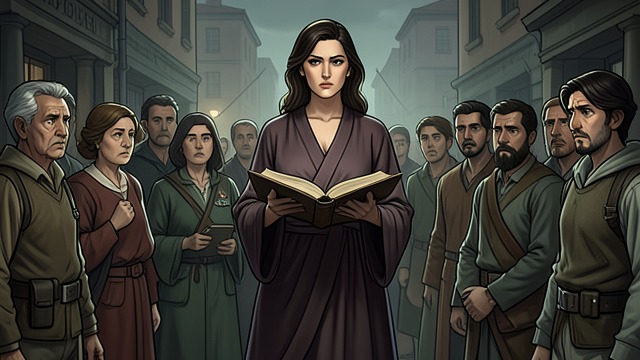
Identity Against Conformity
A Heretic by Choice
Jasnah rejects the Devotaries because she cannot profess beliefs she does not hold.
Moral Independence
Her identity is defined by intellectual honesty rather than social approval. This becomes both a model and a challenge for Shallan.
Dalinar’s Chosen Self
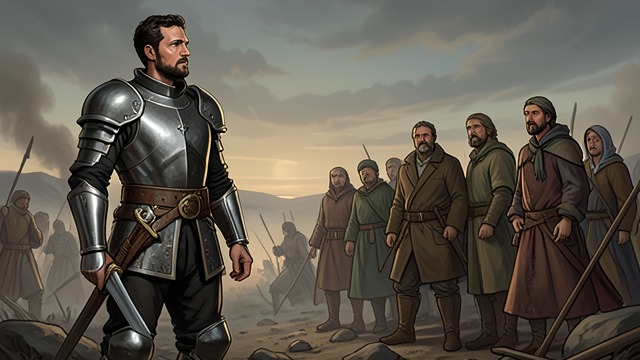
Beyond the Blackthorn
Past and Present
Dalinar cannot erase the warlord he was, but he refuses to let that past decide the man he must become.
Identity as Commitment
He chooses the role of protector, reformer, and leader even while carrying guilt and uncertainty. Character becomes something practiced rather than inherited.
During Kaladin’s first night as Bridge Four leader
Across Kaladin’s memories of Hearthstone and the army
After Hashal assigns a Parshman to Bridge Four
During Shallan’s wardship in Kharbranth
After Dalinar’s final vision
